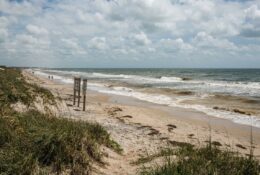
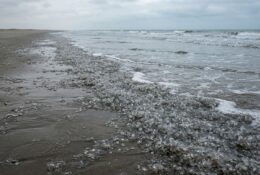
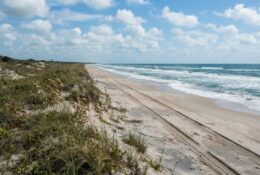
The annual Labor Day weekend exodus from beaches across America leaves behind more than empty parking lots and quiet shorelines. Along the Texas Gulf Coast, it marks the beginning of what many locals consider the best season for beach-going: warmer water temperatures, calmer conditions, and attractions without the summer throngs.
While northern coastal destinations close beach facilities and watch water temperatures plummet through September, the Gulf of Mexico maintains its warmth well into November. Port Aransas and neighboring barrier islands experience peak water temperatures from August through early October, often reaching 85 degrees when air temperatures moderate into the comfortable 80s.
Water Temperature Advantage Creates Extended Season
The Gulf’s thermal characteristics work in favor of fall visitors. Unlike Atlantic coastal waters that cool rapidly after Labor Day, the Gulf retains summer heat due to its basin shape and limited mixing with colder currents. Water temperatures along the Texas coast typically remain above 75 degrees through October, warmer than peak summer temperatures in many northern beach destinations.
This thermal lag creates ideal swimming conditions. The September and October combination of warm water and cooler air temperatures makes extended beach time more comfortable than the oppressive heat and humidity of July and August. Visitors can spend full days on the sand without seeking shade during midday hours.
Port Aransas lifeguards continue patrols through September on most weekends, though availability varies by beach access point and municipal resources. The reduced crowds mean lifeguarded areas see fewer incidents, even as swimming conditions remain excellent.
Fall Fishing and Wildlife Activity Peaks
The shoulder season brings significant advantages beyond comfortable beach lounging. Fall migration transforms the barrier islands into prime birding territory. Mustang Island State Park and the adjacent coastline see waves of migrating songbirds, shorebirds, and raptors moving through September and October.
Fishing conditions improve dramatically after Labor Day. Bull redfish move into shallow waters during fall spawns, creating exceptional sight-casting opportunities in knee-deep surf. King mackerel runs intensify through September, and speckled trout fishing rebounds as water temperatures moderate. Charter captains report better catches with fewer boats competing for fish.
The fall mullet run triggers feeding frenzies visible from shore. Schools of baitfish pushed against the beach by predatory fish create dramatic surface action. Tarpon, though less common than in Florida waters, occasionally appear during warm fall periods, following bait concentrations along the coast.
Reduced Prices and Improved Availability
Accommodation rates drop substantially after Labor Day weekend. Beachfront condos and vacation rentals that command premium prices during summer become significantly more affordable. Many properties offer weekly rates that make extended stays economical.
Restaurant reservations become unnecessary at popular spots that require hour-long waits during summer. Local seafood restaurants along Cotter Avenue in Port Aransas serve the same fresh catch without the crowds. Beach equipment rentals remain available at most shops, though some reduce hours or close certain weekdays.
Parking transforms from competitive struggle to convenient arrival. Beach access points that fill by mid-morning during summer offer ample spaces throughout fall days. This alone changes the beach experience, eliminating the stress of circling for spots or walking long distances with gear.
Weather Patterns and Storm Considerations
Fall beach travel along the Gulf Coast requires awareness of tropical weather patterns. Hurricane season officially continues through November, with September historically the most active month. However, modern forecasting provides several days warning before any system threatens the coast.
Flexible travel plans allow visitors to monitor conditions and adjust accordingly. Many travelers book refundable accommodations or travel insurance that covers tropical weather disruptions. The tradeoff between crowd avoidance and weather variability proves worthwhile for those comfortable with some uncertainty.
Outside of tropical systems, fall weather patterns along the Texas coast trend calmer than summer. Afternoon thunderstorms that regularly interrupt summer beach days become less frequent. Morning fog occasionally delays beach starts, but typically burns off by mid-morning.
Wind Conditions Favor Water Sports
Fall brings more consistent wind patterns that benefit certain activities. Kiteboarding and windsurfing see improved conditions as prevailing southeasterly winds strengthen during autumn cold front passages. The period between fronts often provides calm conditions ideal for paddleboarding and kayaking.
Surf conditions vary more than summer’s typical small wave patterns. Fall cold fronts generate swells that create rideable waves for longboarders and bodyboarders. The increased variability means checking daily surf reports becomes worthwhile rather than assuming flat summer conditions.
Festival Season and Local Events
The fall calendar along the Texas coast fills with events that capitalize on improved weather. Port Aransas hosts its annual Deep Sea Roundup fishing tournament in early October, drawing competitive anglers but not overwhelming the town with spectators. The Harvest Moon Regatta typically occurs in October, bringing sailing vessels to Corpus Christi Bay.
Local restaurants expand outdoor seating as temperatures moderate. Live music venues that close patios during summer heat reopen comfortable spaces. The cultural calendar intensifies rather than shutting down after Labor Day, contrary to seasonal beach destinations that close for winter.
Gear Considerations for Fall Coastal Visits
Fall beach-going requires slightly different equipment than summer trips. Morning and evening temperatures can dip into the 60s during October, making light layers useful for sunrise walks or sunset fishing. Water temperatures remain warm enough for standard swimwear during daylight hours, but a lightweight wetsuit top extends comfortable time in the water during cooler mornings.
Sun protection remains critical. Fall sun sits lower in the sky but UV exposure stays significant, especially with reflection off water and sand. The more comfortable temperatures can create false security about sun exposure duration.
Fishing gear needs don’t change substantially, though fall patterns favor different presentations. Topwater lures become more productive as predatory fish feed aggressively before winter. Heavier tackle helps handle larger bull redfish in the surf zone.
Planning Extended Fall Coastal Stays
The combination of lower prices, better conditions, and reduced crowds makes fall ideal for extended coastal visits. Remote workers and retirees increasingly discover the value of October beach rentals that cost less than inland accommodations while offering superior environments.
Medical facilities, grocery stores, and essential services maintain full operations through fall along the Texas coast. Unlike seasonal northern beach towns that shut down post-Labor Day, Port Aransas and neighboring communities function year-round, ensuring visitors have access to necessary services.
The fall shoulder season extends viability for those testing coastal living or considering relocation. Experiencing the area during its most pleasant weather while interacting with year-round residents rather than summer tourists provides authentic perspective on coastal life.