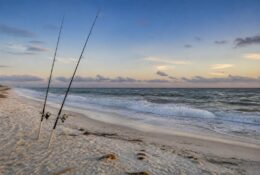
Mexican authorities have closed public access to a beach in northern Tamaulipas after discovering at least 1,500 pieces of suspected spacecraft debris following a SpaceX Starship test flight that ended in a mid-air breakup. The fragments, some measuring several feet across, have scattered along multiple miles of coastline directly across the border from South Padre Island, Texas.
Officials from Mexico’s civil protection agency issued warnings urging the public not to touch or collect any of the debris. The scattered materials reportedly include charred metal panels, insulation materials, and unidentified mechanical components that washed ashore following the February 18 Starship launch from SpaceX’s Boca Chica facility.
What Happened During the Launch
The seventh integrated test flight of SpaceX’s Starship system experienced what the company described as a rapid unscheduled disassembly approximately eight and a half minutes into flight. The massive rocket broke apart over the Caribbean, with debris creating a spectacular light show visible across multiple countries.
While SpaceX facilities sit just north of the Texas-Mexico border near Brownsville, the company’s launch trajectory carries rockets eastward over the Gulf of Mexico. The latest test flight’s unexpected breakup scattered materials across a wider area than anticipated, with pieces traveling hundreds of miles from the nominal flight path.
Beachgoers in Tamaulipas began reporting unusual objects washing ashore within days of the incident. Initial finds included what appeared to be heat shield tiles, structural panels bearing scorch marks, and twisted metal components. Some fragments arrived embedded in sand, while others floated in the surf zone.
Implications for Gulf Coast Beaches
The debris field raises significant questions for anyone who regularly visits beaches along the South Texas and northeastern Mexico coast. With SpaceX conducting increasingly frequent test flights from Boca Chica, the potential for future incidents affecting nearby beaches has become a practical concern rather than a theoretical risk.
The Federal Aviation Administration grounds launches following such incidents pending investigation. However, SpaceX has maintained an aggressive testing schedule, with Starship representing the company’s pathway to moon missions and eventual Mars colonization efforts. Each test pushes the boundaries of what the massive rocket system can accomplish.
For coastal communities on both sides of the border, the incident underscores the proximity of cutting-edge aerospace operations to popular recreation areas. South Padre Island sits less than five miles from the launch site, with Boca Chica Beach itself falling within SpaceX’s operational zone. Mexican beaches directly south face similar exposure to launch operations.
Safety Protocols and Beach Access
Mexican authorities established a perimeter around the affected beach areas while crews work to identify and collect debris. The closure affects several miles of coastline in an area popular with local residents and tourists seeking less crowded alternatives to developed resort beaches.
Officials emphasize that rocket debris can contain hazardous materials. Fuel residues, exotic alloys, and composite materials used in spacecraft construction may pose health risks. Some components could have sharp edges or unstable structures that make handling dangerous.
The Mexican Space Agency coordinates with local authorities on debris recovery. Teams photograph and catalog each piece before removal. This documentation helps investigators reconstruct what failed during flight while ensuring environmental contamination receives proper assessment.
Environmental Concerns Along the Coast
The debris arrival coincided with reports of dead sea turtles washing ashore in the same region. While authorities have not confirmed a connection between the rocket breakup and marine life deaths, environmental groups monitoring the Gulf Coast expressed alarm at the temporal proximity of both events.
Sea turtles nest along beaches throughout the southwestern Gulf of Mexico. The nesting season brings Kemp’s ridley, green, and loggerhead turtles to shores from South Padre Island through Tamaulipas. Any disruption to these beaches during nesting periods could affect already vulnerable populations.
Rocket launches themselves create significant noise and pressure waves. The Starship system, designed as the most powerful rocket ever built, generates exceptional forces during liftoff. Marine biologists have raised questions about how launch activities might affect wildlife behavior in the nearby Laguna Madre ecosystem and offshore Gulf waters.
Beyond immediate physical debris, launches involve fuel combinations that could introduce chemical contaminants. Starship uses liquid methane and liquid oxygen as propellants. While these substances break down relatively quickly in the environment compared to older rocket fuels, a catastrophic failure scatters unburned fuel across a wide area.
What This Means for Beachgoers
Anyone exploring beaches along the lower Texas coast or northeastern Mexico should remain alert for unusual objects. While most SpaceX launches conclude without incident, the February test flight demonstrates that debris can travel significant distances from the launch site.
- Avoid touching any metallic fragments, scorched materials, or objects that appear out of place on the beach
- Report suspicious items to local authorities rather than collecting them
- Keep children and pets away from unidentified debris
- Photograph found objects from a safe distance to aid identification efforts
- Check local beach closure notices before planning coastal visits near launch windows
SpaceX typically announces launch schedules days in advance. The company maintains a strong social media presence providing real-time updates during test flights. Coastal residents and visitors can monitor these channels to understand when operations might affect beach access or when heightened vigilance makes sense.
Cross-Border Coordination Challenges
The debris incident highlights complexities when aerospace operations near international borders generate consequences in neighboring countries. SpaceX holds Federal Aviation Administration licenses covering its Boca Chica operations, but Mexican authorities had limited direct involvement in pre-launch safety planning.
Recovery efforts require coordination between U.S. and Mexican agencies. SpaceX reportedly sent teams to assist Mexican authorities with debris identification and removal. The company faces potential liability issues related to property damage and environmental impact south of the border.
Future launches may face additional scrutiny regarding cross-border effects. Mexican officials could demand greater consultation in planning processes or seek formal agreements governing how launch failures get handled when debris reaches their territory.
Investigators from both countries continue assessing what caused the Starship breakup. SpaceX must demonstrate corrective measures before the FAA will authorize additional test flights. The timeline for returning to launch operations remains uncertain as engineers analyze telemetry data and examine recovered debris.
Beach cleanup operations in Tamaulipas continue as crews methodically search for additional fragments. Some debris may remain buried in sand or float just offshore for weeks before washing up. Authorities have not announced when affected beaches might reopen to the public.