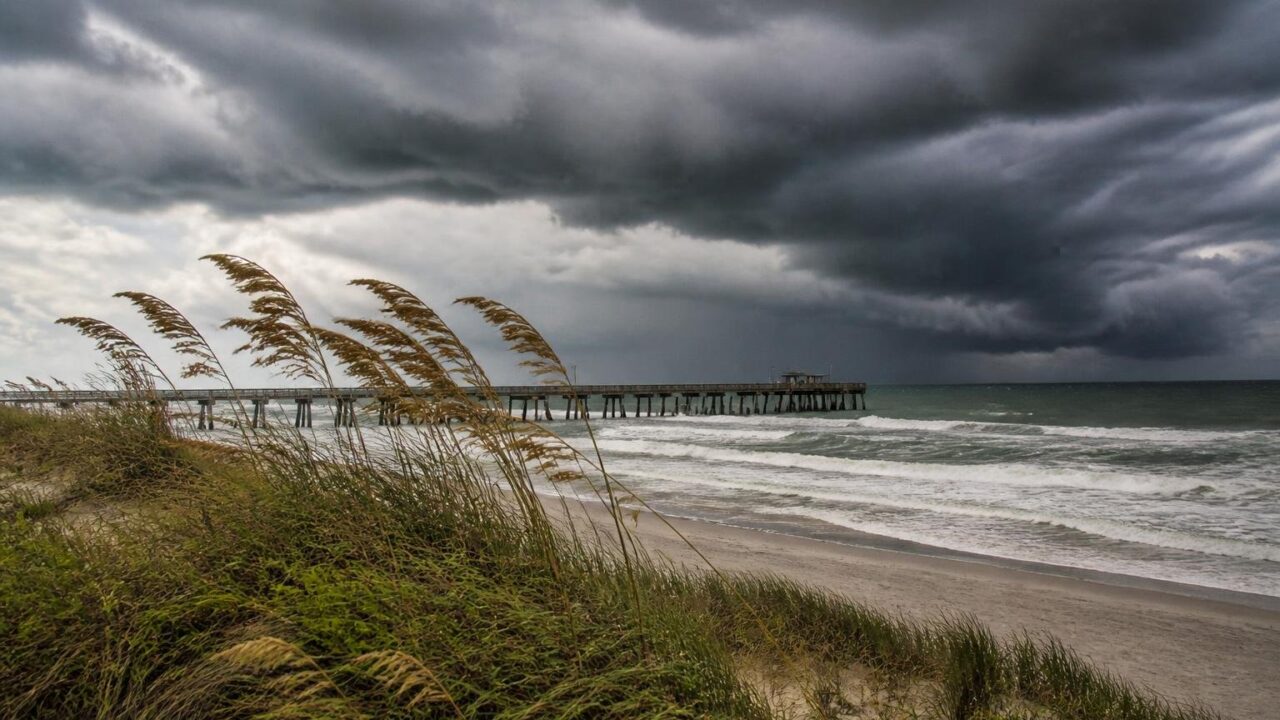
A powerful storm system that brought flooding, property damage, and widespread power outages to East Coast communities this week serves as a timely reminder for Gulf Coast residents and visitors about the unpredictable nature of coastal weather, even outside traditional hurricane season.
The East Coast storm, which struck just before Thanksgiving, left thousands without power and caused significant property damage across multiple states. While Texas enjoys sunny conditions this week, the event underscores critical preparedness lessons for anyone spending time along the barrier islands and coastal communities from Port Aransas to South Padre Island.
Storm Season Never Truly Ends on the Coast
Gulf Coast residents know hurricane season officially runs from June through November, but weather events capable of disrupting travel plans and outdoor activities can strike year-round. November and December storms, while less frequent than summer hurricanes, can pack surprising punch with high winds, storm surge, and rapid weather changes.
Port Aransas and neighboring barrier island communities experienced this reality during the 2017 Thanksgiving week when a powerful cold front brought winds exceeding 40 miles per hour, closing ferry services and stranding visitors on both sides of the channel. The event forced cancellation of fishing charters, beach closures, and evacuation of several RV parks along the coast.
Winter storms along the Texas coast typically develop differently than summer hurricanes. Cold fronts colliding with warm Gulf waters create rapid intensification, often with less advance warning than tropical systems. These storms bring risks including dangerous surf conditions, rip currents that persist for days after the weather clears, and sudden temperature drops that catch unprepared beachgoers off guard.
What Coastal Visitors Need to Know
Anyone planning trips to Port Aransas, Mustang Island, or other Texas barrier islands should maintain weather awareness regardless of season. The National Weather Service issues marine forecasts and coastal flood warnings that apply specifically to Gulf waters and beach conditions.
Beach equipment and camping gear face unique challenges during winter coastal storms. Tents and canopies designed for summer use often fail in sustained winds above 25 miles per hour. Sand stakes that hold adequately in calm conditions pull free when wind combines with rain-saturated sand. RV awnings suffer catastrophic damage when extended during unexpected wind events.
Fishing equipment also requires specific consideration. Surf rods left in sand spikes can disappear when storm surge arrives faster than forecasted. Kayaks and paddleboards stored on beach racks have washed away during overnight storms. Expensive gear survives coastal weather events only when properly secured with marine-grade straps and moved to protected locations when forecasts indicate deteriorating conditions.
Power Outages and Infrastructure Vulnerability
The East Coast storm knocked out power to thousands of customers, highlighting infrastructure vulnerability that Gulf Coast communities share. Port Aransas and Mustang Island experienced extended power outages during winter storms in 2018 and 2021, with some areas losing electricity for three to five days.
Coastal power grids face unique challenges. Salt spray corrodes equipment faster than inland installations. High winds topple poles weakened by constant exposure to marine environments. Underground lines, while more storm-resistant, suffer saltwater intrusion during flooding events that can disable service for extended periods.
Visitors staying in rental properties should pack battery-powered lights, portable phone chargers, and backup power sources for essential electronics. Many beach houses and condos lack backup generators. During winter months when fewer visitors occupy rental units, property managers may take longer to respond to outage-related issues.
Planning Around Weather Uncertainty
Successful coastal trips require flexible planning and realistic expectations about weather impacts. Ferry-dependent destinations like Port Aransas become temporarily inaccessible when winds exceed operational limits, typically around 25 miles per hour sustained. The Harbor Island ferry ceased operations 47 times during 2022 due to weather conditions, with December and January accounting for the highest number of closures.
Fishing charters typically cancel when wind forecasts exceed 15 to 20 miles per hour, depending on target species and fishing location. Bay fishing remains possible in higher winds than offshore trips, but even protected waters become unfishable when sustained winds reach 25 miles per hour. Charter captains make final decisions the morning of scheduled trips, leaving visitors scrambling for alternative activities.
Beach activities face similar weather constraints. Strong winds create sandblasting conditions that make beach time unpleasant and potentially dangerous. Blowing sand damages camera equipment, gets into coolers and food supplies, and creates visibility issues. Experienced coastal visitors pack backup entertainment and dining options for weather days.
Essential Weather Resources
Reliable weather information comes from multiple sources. The National Weather Service office in Corpus Christi issues specific forecasts for coastal waters, beaches, and barrier islands. NOAA weather radio broadcasts continuous updates, particularly valuable when internet service fails during storms. Local marina channels on VHF radio provide real-time conditions from people on the water.
Mobile apps offer convenience but require consistent data connections that may fail during weather events. Downloaded offline maps and pre-storm screenshots of forecasts provide backup information when connectivity drops. Many experienced coastal visitors still carry AM/FM radios capable of receiving emergency broadcasts when digital services fail.
Property Protection for Homeowners and Renters
The property damage reported along the East Coast mirrors challenges Gulf Coast property owners face year-round. Beach houses and condos require specific storm preparations even during off-season months.
Outdoor furniture must be secured or stored before wind events. Lightweight aluminum chairs become projectiles in 40-mile-per-hour winds. Glass patio tables shatter when struck by wind-blown debris. Umbrellas, decorative items, and unsecured planters cause damage to buildings and vehicles.
Renters using vacation properties should know emergency procedures and understand their responsibilities for securing outdoor items. Rental agreements typically hold guests liable for damage caused by failure to follow property-specific storm protocols. Many beach rental companies now send automated weather alerts with specific instructions when storms approach during guest stays.
Looking Ahead to Winter Coastal Season
Gulf Coast weather patterns through winter and early spring bring both opportunities and challenges. Cooler temperatures mean fewer crowds at popular beach destinations. Fishing for species like bull redfish and black drum peaks during winter months. Birding reaches prime season as migrating species arrive along the central flyway.
Weather volatility increases during the same period. Cold fronts arrive with less predictability than summer tropical systems. Temperature swings of 40 degrees within 24 hours occur regularly. Visitors prepared for these realities enjoy outstanding coastal experiences between weather events.
The East Coast storm serves as current reminder that coastal environments demand respect and preparation regardless of location or season. Gulf Coast residents and visitors who maintain weather awareness, pack appropriate backup gear, and plan flexibility into their schedules position themselves for safe, enjoyable experiences along Texas barrier islands throughout the year.