The parking lot scene repeats itself every weekend along Mustang Island: families unloading wagons stacked shoulder-high with toys, coolers, tents, chairs, and mysterious bags that seem to multiply between car and shore. An hour of hauling equipment across soft sand leaves parents exhausted before the actual beach day begins.
The reality is simpler. Small children need remarkably little to spend hours content on a Gulf Coast beach. The secret lies not in bringing more, but in bringing the right things and eliminating what consistently goes unused.
The Core Gear That Actually Gets Used
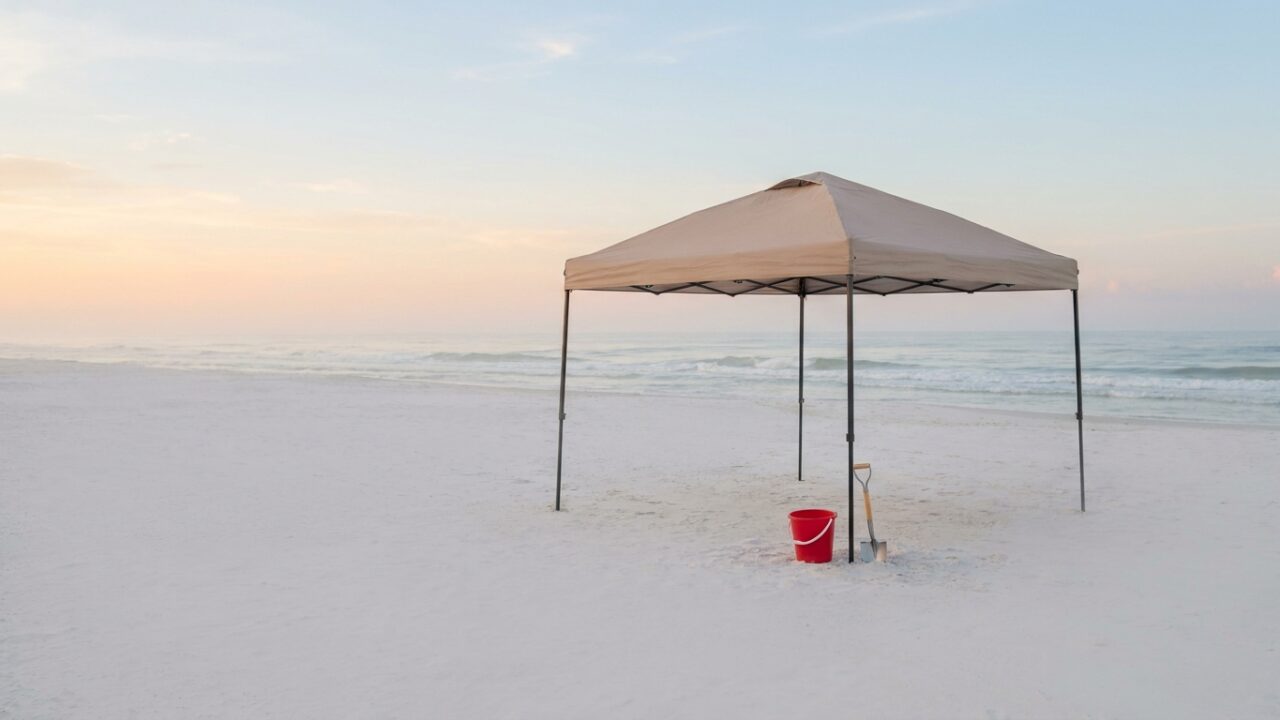
Start with shade. A pop-up canopy or beach umbrella anchored properly protects skin and creates a home base. Children under three need shade within arm’s reach at all times. The investment in a quality umbrella with sand anchors pays for itself in the first windy session when cheaper models tumble down the beach.
Sun protection extends beyond shade. A broad-spectrum sunscreen rated SPF 50 or higher, applied before leaving the house and reapplied every ninety minutes, prevents burns that end beach trips early. Many coastal families keep a separate beach-only sunscreen bottle to avoid the inevitable sand contamination of the household supply.
Hydration matters more than food. A gallon jug of water and a few reusable bottles for little hands prevent dehydration in Gulf humidity. Children playing in sand and surf often forget to drink until headaches start. Setting a timer for water breaks every thirty minutes becomes routine after a few outings.
Toys: Less Is Genuinely More
The beach provides most entertainment for free. Waves, holes to dig, shells to collect, and sand to mold occupy children far longer than plastic toys. A single sturdy bucket and one good shovel often outperform a bag full of flimsy beach toys that crack on the second use.
For children between two and five, a small mesh bag holds a few selected toys while allowing sand to drain. The mesh also makes it simple to rinse everything at the beach shower before packing up. Toys stay in rotation rather than becoming permanent beach residents buried in dunes.
Avoid bringing anything precious or battery-powered. Salt air corrodes electronics, and the Gulf has a habit of claiming favorite toys during moments of inattention. If losing it would cause tears, leave it home.
The Clothing Strategy That Works
Swim diapers for children not yet toilet trained prevent unpleasant situations and are required at many public beaches. Regular diapers disintegrate in water and create a mess nobody wants to handle on a beach towel.
Rash guards with long sleeves eliminate much of the sunscreen application area and dry quickly. They also prevent the shoulder and back burns that happen when children spend an hour crouched over a sandcastle project. Many coastal parents buy rash guards a size up to extend their usefulness across a growth spurt.
A complete change of clothes in a sealed plastic bag stays dry for the ride home. Trying to buckle a sandy, damp toddler into a car seat tests patience. Clean, dry clothes transform the end-of-day routine from struggle to simple transition.
Food and Snacks: Simple and Sealed
Beach sand finds its way into everything, including food. Snacks in resealable containers or individual packages minimize grit consumption. Grapes, crackers, and granola bars survive heat better than chocolate or cheese.
Small children rarely eat full meals at the beach. The combination of sun, excitement, and sensory overload suppresses appetite. Focusing on hydration and light snacks prevents the packed lunch from becoming dead weight in the cooler.
A small soft cooler with a few ice packs keeps drinks cold and provides a place to store found shells or interesting rocks on the way home. The same cooler serves double duty without requiring additional bags.
Safety Items That Fit in One Pocket
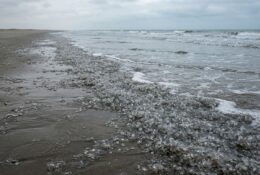
A basic first aid kit need not be elaborate. Adhesive bandages, antibiotic ointment, and tweezers handle most minor beach injuries. Add a small bottle of vinegar for jellyfish stings, common along the Texas coast during certain seasons.
Bright-colored swim vests for children who cannot swim well make them visible in the water and on crowded beaches. Even strong swimmers benefit from flotation in Gulf currents that shift throughout the day.
A whistle on a lanyard gives young children a way to signal for help if separated. Teaching them to blow the whistle only in actual emergencies becomes a game at home before it potentially matters on a busy beach.
The Departure System That Prevents Meltdowns
Announcing departure time thirty minutes early allows children to finish projects and say goodbye to the beach. Abrupt departures lead to tears and forgotten items.
A final water rinse at the beach shower removes most sand before it reaches the car. Starting at the head and working down prevents clean areas from getting re-sanded. Feet get rinsed last, stepping onto a towel immediately after.
Keeping a large plastic bin in the vehicle gives wet and sandy items a contained space. Towels, toys, and swim gear go directly into the bin rather than loose in the trunk. The bin can be emptied and rinsed at home without tracking sand through the house.
What Consistently Stays in the Car Unused
After a season of beach trips, certain items never leave their bags. Elaborate sand molds, beach balls, boogie boards for toddlers too small to use them, extra towels beyond what is needed, and backup shoes all tend to stay packed.
Books and quiet activities rarely get used. The beach itself provides too much stimulation for most young children to sit still with a story. Save the books for the car ride home when exhaustion sets in.
Multiple changes of swimwear for each child create laundry without benefit. One suit per child, worn to the beach and rinsed afterward, suffices for a single day trip.
The mental shift from packing for every possibility to packing for what actually happens transforms beach outings from logistical exercises into spontaneous fun. A lighter load means more energy for building sandcastles, jumping waves, and watching pelicans dive just beyond the breakers where the real memories form.