Three Texas coastal parks along the Gulf of Mexico have secured spots on a new ranking of America’s premier state park destinations, reinforcing the region’s reputation for accessible beaches, wildlife diversity, and outdoor recreation that extends well beyond summer months.
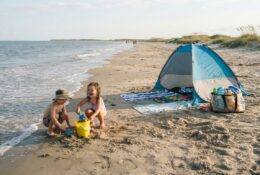
Mustang Island State Park, located just south of Port Aransas, appears prominently on the list compiled by geographic researchers examining coastal preservation areas nationwide. The 3,954-acre barrier island park offers five miles of Gulf-facing shoreline where visitors wade into surf accessible by vehicle, pitch tents within earshot of breaking waves, and scan horizons for bottlenose dolphins feeding in nearshore channels.
Why Barrier Island Parks Earn National Attention
The recognition comes as coastal state parks face increasing pressure from development and climate considerations. Barrier islands provide critical storm buffering for mainland communities while supporting ecosystems found nowhere else in North America. Texas maintains more than 350 miles of Gulf coastline, with relatively few stretches preserved for public use compared to states like Florida or California.
Mustang Island State Park specifically protects habitat for over 400 bird species throughout the year. Spring and fall migrations bring massive concentrations of neotropical songbirds to coastal scrub and dune vegetation. Winter months see populations of redheads, scaup, and other diving ducks congregating in Corpus Christi Bay adjacent to park boundaries.
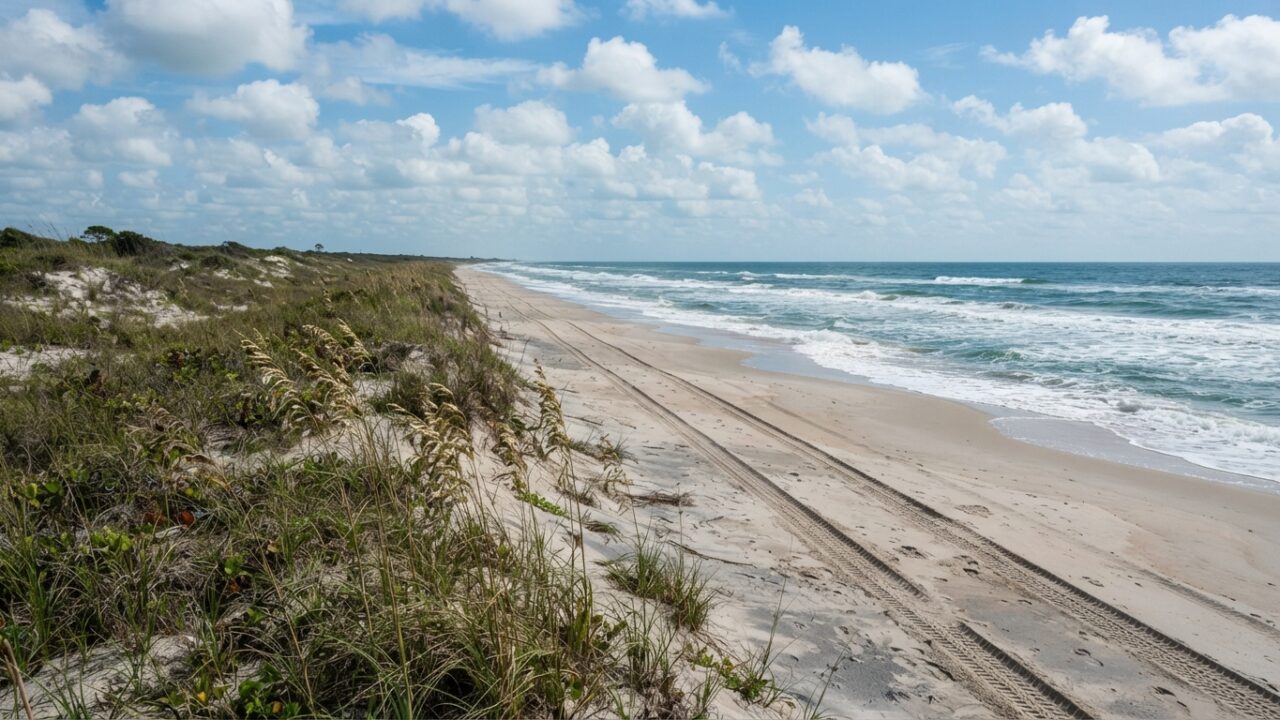
The park infrastructure accommodates both primitive camping and recreational vehicle sites with full hookups. Beach access roads allow vehicles to drive directly onto sand from designated entry points, a configuration that proves particularly valuable for anglers hauling gear and families managing beach equipment. This drive-on access distinguishes Gulf Coast parks from many Atlantic and Pacific counterparts where beach driving faces heavier restrictions.
Padre Island National Seashore Extends Protected Coastline
Immediately south of Mustang Island, Padre Island National Seashore contributes 70 miles of undeveloped barrier island to the protected corridor. The National Park Service facility represents the longest stretch of primitive, undeveloped barrier island in the world. Unlike state parks designed for concentrated recreational use, the national seashore emphasizes conservation and minimal-impact visitation.
Four-wheel-drive vehicles can traverse more than 60 miles of beach beyond paved road termination, reaching sections where human presence remains sparse even during peak spring break periods. The seashore serves as primary nesting habitat for Kemp’s ridley sea turtles, the world’s most endangered sea turtle species. Park biologists conduct daily patrols during nesting season, relocating eggs to protected hatcheries and coordinating releases that draw thousands of witnesses annually.
Beach structure along Padre differs noticeably from Mustang Island’s more stable shoreline. Continuous wind and wave action create dynamic sand formations, with shell deposits accumulating in windows along the high-tide line. Collectors find lightning whelks, Atlantic cockles, and occasional Scotch bonnets among daily deposits.
Goose Island Represents Bay-Side Alternative
The third Texas park receiving recognition, Goose Island State Park, occupies a contrasting ecological position on Aransas Bay north of Rockport. Rather than Gulf-facing beaches, this 321-acre park protects oak-dominated coastal woodlands, tidal marshes, and bay shoreline favored by wading birds and wintering whooping cranes.
The park’s signature feature, the “Big Tree,” stands as one of the largest live oaks in the United States. Estimated at more than 1,000 years old, the tree survived Hurricane Harvey’s direct hit in 2017, though surrounding park infrastructure required extensive rebuilding. Post-hurricane restoration included elevated camping pads, reinforced fishing piers, and improved kayak launch facilities.
Birders frequent Goose Island specifically for proximity to whooping crane wintering grounds at Aransas National Wildlife Refuge across the bay. From November through March, the park offers potential sightings of these five-foot-tall endangered birds, along with roseate spoonbills, reddish egrets, and white pelicans staging on bay flats.
What Makes Coastal Parks Function in Salt Environment
Managing recreational facilities in coastal environments presents distinct challenges absent from inland parks. Salt spray corrodes metal structures, requiring specialized materials and frequent maintenance cycles. Storm surge events flood campgrounds and undermine roads, necessitating elevation standards that increase construction costs. Vegetation management balances recreational access with dune stabilization essential for storm protection.
Texas Parks and Wildlife Department maintains beach grooming equipment that removes trash while leaving natural shell and seaweed deposits that feed dune ecosystems. Vehicle access requires constant sand management, with crews relocating accumulations that block entry points and create hazardous drop-offs.
Water quality monitoring intensifies during summer months when beachgoer concentrations peak. Bacterial testing follows protocols established by state health agencies, with advisory postings when levels exceed safe thresholds. These closures typically resolve within 24 to 48 hours as tidal flushing restores water quality.
How Rankings Influence Visitation Patterns
National recognition from geographic and travel publications historically correlates with increased visitation to featured destinations. Park managers anticipate elevated camping reservations and day-use traffic following positive coverage, particularly during shoulder seasons when Texas coastal weather remains favorable but crowds thin compared to spring and summer peaks.
The Texas coast benefits from year-round accessibility unusual among American beach destinations. Water temperatures remain swimmable from April through November, while air temperatures rarely drop below 50 degrees even in January. This extended season distributes visitor impact across more months than northern coastal parks experience.
Current camping reservation systems for Mustang Island State Park show weekend sites booking several months in advance during prime fall fishing periods and spring break weeks. Weekday availability remains more accessible, particularly for tent campers willing to use primitive sites without hookups. Padre Island National Seashore operates primarily as a first-come facility beyond its developed Malaquite Beach area, though permits are required for overnight beach camping.
Conservation Priorities Shape Future Access
As coastal visitation increases, park agencies balance public access with habitat protection. Recent initiatives include designated bird nesting closures during critical breeding periods, fishing regulations targeting species restoration, and educational programming about marine debris impacts. Volunteer groups conduct regular beach cleanups, removing plastics and fishing line that threaten wildlife.
The recognition of these three parks highlights both their current value and ongoing vulnerability. Sea level rise projections, intensifying storm patterns, and development pressure on adjacent private lands all factor into long-term management planning. Whether these barrier island ecosystems maintain their character and accessibility depends substantially on decisions being implemented now regarding coastal zone management and conservation funding priorities.