Houston-based radio station Sunny 99.1 has launched a contest offering local teachers an opportunity to win a Florida vacation, joining a growing trend of community-driven initiatives recognizing educators through coastal getaways. The promotion arrives as spring break season approaches along the Gulf Coast, when both Texas and Florida beaches see heightened visitor traffic.
The contest reflects broader patterns in how Gulf Coast communities celebrate their educators while promoting regional travel connections. Florida’s Gulf beaches, from Clearwater to Destin, compete directly with Texas coastal destinations like Port Aransas and South Padre Island for the same regional traveler demographic during peak season.
Contest Details and Teacher Eligibility
While specific entry requirements remain to be confirmed through the station’s official channels, radio-based vacation giveaways typically require participants to register online or respond to on-air prompts during designated time windows. Teachers from the greater Houston area would likely qualify, though verification of educator status through school identification or employment documentation is standard practice for such promotions.
The timing positions this giveaway during a period when teachers across Texas face mounting classroom pressures. Many educators view spring and summer breaks as essential recovery periods, making vacation opportunities particularly appealing. Radio contests offering travel prizes typically generate significant participation, especially when targeting specific professional groups who may have limited discretionary income for luxury trips.
Florida Versus Texas Coastal Destinations
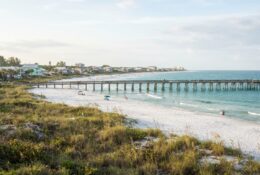
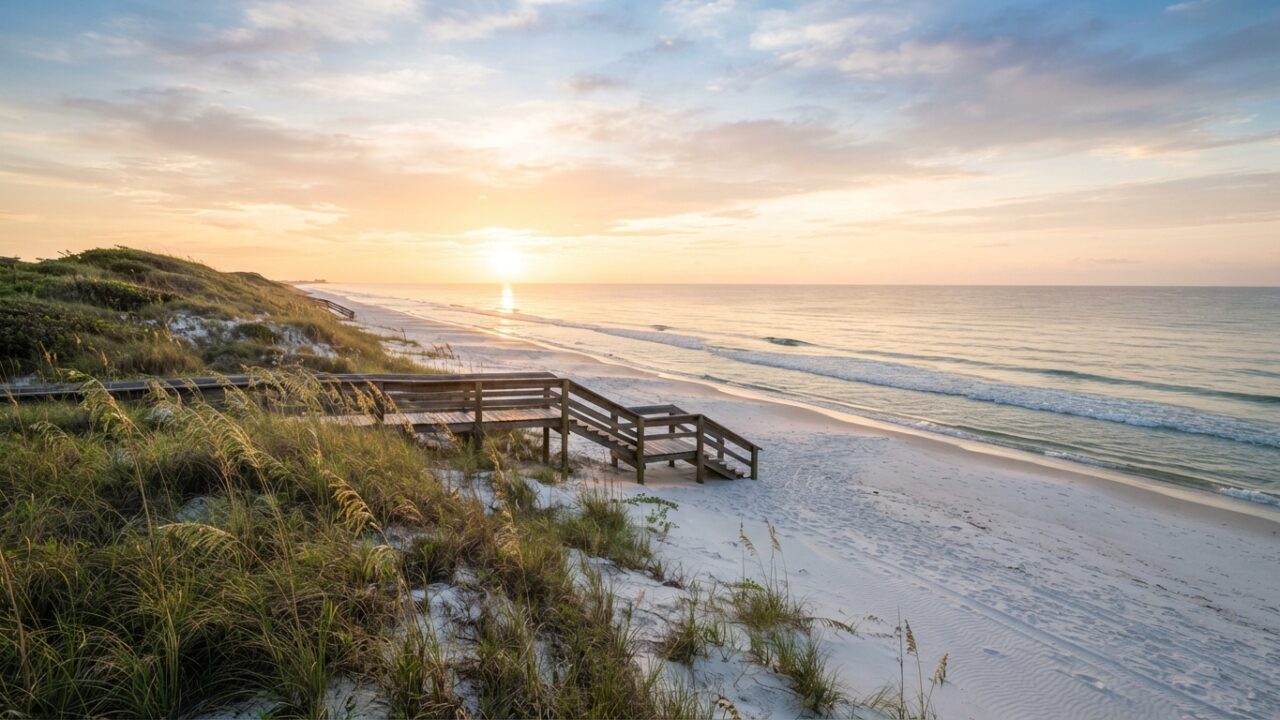
The choice to promote Florida rather than Texas beaches for this giveaway reveals interesting dynamics in Gulf Coast tourism. Florida’s Panhandle beaches consistently rank among the nation’s top coastal destinations, with sugar-white sand and emerald waters that differ markedly from the brown sand and sediment-rich waters characteristic of most Texas barrier islands.
Port Aransas and neighboring Texas coastal communities offer their own distinct advantages: proximity for Houston residents means lower travel costs and time commitments, abundant fishing opportunities, and a laid-back atmosphere less commercialized than many Florida resort areas. Texas beaches also provide exceptional birding, particularly during migration seasons, and easier vehicle access on many stretches of sand.
Florida destinations marketed to Texas travelers typically include the Emerald Coast cities of Destin, Panama City Beach, and Pensacola, all roughly eight to ten hours by car from Houston. These locations feature more developed tourist infrastructure, clearer water due to different sediment patterns, and higher accommodation costs during peak seasons. The tradeoff between convenience and beach aesthetics represents a calculation every Gulf Coast traveler makes.
Teacher Appreciation Through Travel Incentives
Businesses and organizations increasingly recognize educators through experiential rewards rather than traditional gift cards or classroom supplies. Vacation giveaways acknowledge the emotional and physical toll of teaching while providing rest opportunities that material gifts cannot match. The strategy also generates positive publicity for sponsors while building community goodwill.
Texas teachers have faced particular challenges in recent years, including legislative debates over curriculum content, concerns about school safety, and compensation levels that lag behind regional cost-of-living increases. Professional burnout rates among educators have climbed nationally, making recovery time increasingly critical. A beach vacation offers both physical distance from classroom stress and the restorative benefits of coastal environments.
Research on coastal environments consistently demonstrates mental health benefits associated with ocean proximity, including reduced stress markers and improved mood regulation. Whether on Texas or Florida shores, time spent near the Gulf provides therapeutic value beyond simple recreation. The combination of negative ions from wave action, the psychological impact of expansive horizons, and opportunities for physical activity creates a powerful wellness package.
Radio Contests as Community Engagement Tools
Houston radio stations have long used vacation giveaways to build listener loyalty while supporting local causes. These promotions generate multiple benefits: on-air mentions drive tune-in during rating periods, contest registration builds email marketing databases, and community goodwill enhances station branding. For participants, the no-purchase-necessary format provides legitimate winning opportunities regardless of economic status.
Sunny 99.1, known for adult contemporary programming, targets demographics that align well with teaching professionals. The station’s community involvement history includes various charitable initiatives and listener appreciation events. By focusing this particular contest on teachers, the station taps into widespread public support for educators while differentiating its promotion from generic vacation giveaways.
The mechanics of radio contests have evolved with digital integration. Most now require online registration rather than simply calling in, allowing stations to capture participant data while ensuring compliance with Federal Communications Commission regulations governing broadcast contests. Social media amplification extends reach beyond traditional listener bases, particularly when contests target specific professional communities likely to share opportunities within their networks.
Planning Gulf Coast Vacations on Teacher Schedules
The academic calendar creates both opportunities and constraints for teacher travel. Summer months offer extended availability but coincide with peak pricing and crowding at popular destinations. Spring break provides a shorter window but falls during pleasant weather conditions along both Texas and Florida coasts, before summer heat and afternoon thunderstorms dominate the pattern.
Teachers planning coastal trips face decisions about balancing relaxation with activity. Some prioritize pure beach time with minimal structured plans, while others seek fishing charters, kayaking excursions, or wildlife watching opportunities. Florida and Texas coasts each offer distinct activity profiles. Texas provides superior fishing variety with multiple species accessible from shore, pier, and nearshore boats. Florida counters with clearer snorkeling conditions and more developed water sports infrastructure.
Accommodation choices significantly impact vacation budgets and experiences. Texas beach communities generally offer lower lodging costs than comparable Florida destinations, though amenities may be more basic. Vacation rental homes provide economical options for groups, while beachfront hotels deliver convenience at premium prices. Teachers working within tight budgets often favor shoulder season travel when rates drop substantially from peak periods.
Regional Tourism Competition and Promotion
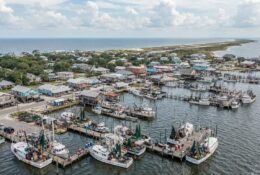
The promotion of Florida destinations by Houston media outlets illustrates the competitive dynamics of Gulf Coast tourism. While Texas coastal communities benefit from proximity to major metro areas including Houston, San Antonio, and Austin, they must continuously market against more distant destinations that offer different beach experiences. Port Aransas, Rockport, and Corpus Christi actively promote their advantages while acknowledging that some visitors will always prefer Florida’s distinct coastal character.
Tourism dollars represent significant economic drivers for coastal communities throughout the Gulf region. Teacher travel during school breaks contributes meaningfully to this economic activity, particularly when educators bring families or travel in groups. The ripple effects extend through restaurants, retail shops, activity providers, and service industries that depend on seasonal visitor influxes.
Whether the Sunny 99.1 contest ultimately sends teachers to Florida beaches or inspires some to explore closer Texas alternatives, the initiative highlights how coastal destinations remain powerful draws for those seeking restoration and recreation. The Gulf Coast in all its variety continues offering escape opportunities for educators and other professionals who need distance from daily demands.