The Galveston Police Department and the broader Texas Gulf Coast community are mourning the loss of Joe Maffei, a veteran law enforcement officer whose career spanned multiple decades protecting residents and visitors along one of the state’s most active coastal corridors. His family announced his death this week, prompting an outpouring of tributes from fellow officers, community members, and those who worked alongside him during his extensive service.
Maffei’s career with the Galveston Police Department represented the kind of institutional knowledge that becomes irreplaceable in coastal law enforcement. Officers working barrier island communities face unique challenges that differ significantly from inland policing, from managing crowds during peak tourist seasons to coordinating responses during hurricane evacuations and tropical weather events that regularly impact the region.
Policing the Island City
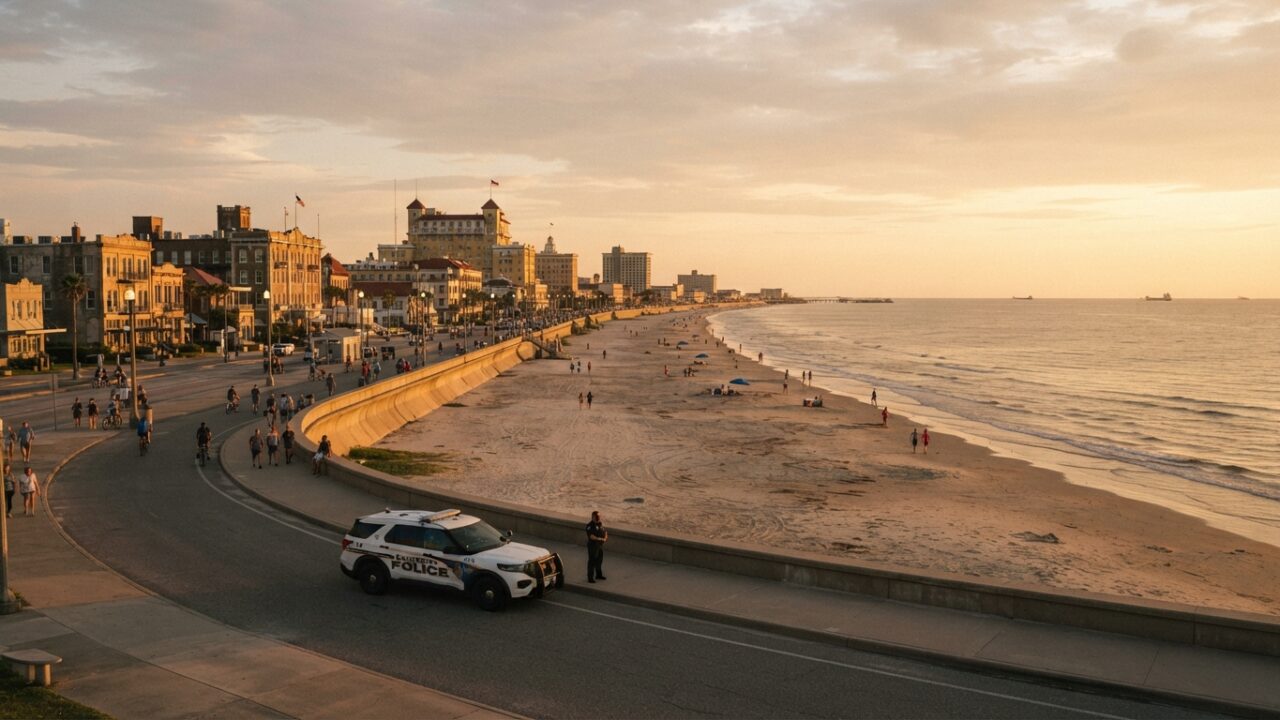
Galveston presents distinctive challenges for law enforcement that few other Texas communities experience. The island city sees its population swell dramatically during spring break, summer weekends, and major events like Mardi Gras and Dickens on the Strand. Officers must balance welcoming the tourism economy that sustains the community with maintaining public safety across beaches, the historic Strand district, and residential neighborhoods.
The geographic isolation of barrier island communities adds complexity to emergency response. With limited access points on and off the island, officers must plan differently than their mainland counterparts. During severe weather, law enforcement plays a critical role in evacuation coordination, securing property, and eventually facilitating safe returns for residents.
Maritime enforcement represents another dimension of Gulf Coast policing. Officers frequently work alongside the Coast Guard, Texas Parks and Wildlife wardens, and harbor patrol units to address boating safety, water rescues, and enforcement of regulations governing the busy ship channel that serves the Port of Galveston.
Building Relationships in Coastal Communities
Long-serving officers like Maffei become fixtures in island communities where many families have lived for generations. The continuity of familiar faces in patrol cars, at community events, and responding to calls builds trust that proves essential during emergencies. When hurricanes approach and evacuation orders are issued, residents are more likely to heed warnings from officers they have known for years.
Family members describing Maffei as a legend speaks to the respect earned through consistent service. In smaller communities, police officers often know residents by name, remember family histories, and build relationships that extend beyond enforcement to genuine community caretaking. This approach to policing has particular value in places where tourism can sometimes create tensions between visitors and year-round residents.
Challenges Facing Gulf Coast Law Enforcement
Coastal departments currently face recruitment and retention challenges that make the loss of experienced officers particularly difficult. The cost of living along desirable beachfront areas has risen substantially, making it harder for officers to afford housing in the communities they serve. Many departments struggle to maintain staffing levels adequate for managing seasonal population fluctuations.
The physical demands of coastal policing also take their toll. Officers work in extreme heat during summer months, often on foot patrol along beaches and boardwalks. They respond to water emergencies, work extended shifts during major events, and face the stress of hurricane preparations that can stretch departments thin for days or weeks.
Training requirements for coastal law enforcement exceed standard certification. Officers often need additional qualifications in water rescue, crowd management for large events, and coordination with multiple agencies that have overlapping jurisdictions in maritime environments. Building this expertise takes years, making veteran officers invaluable resources for newer department members.
The Tourism Safety Balance
Galveston attracts millions of visitors annually to its beaches, historic sites, cruise terminal, and entertainment districts. This economic engine requires a law enforcement approach that maintains safety without creating an atmosphere that discourages tourism. Officers must manage alcohol-related incidents, beach safety, traffic congestion, and occasional conflicts while projecting welcoming professionalism.
The spring break period particularly tests department resources. Thousands of young adults converge on the island, requiring increased patrols, traffic control, and emergency response readiness. Experienced officers provide crucial leadership during these high-stress periods, drawing on years of managing similar situations.
Cruise operations add another dimension to coastal policing. The Port of Galveston serves as a major embarkation point, with thousands of passengers moving through the terminal district on turnaround days. Officers coordinate with port security, federal agencies, and private operators to ensure smooth operations while maintaining public safety.
Weather Response and Community Resilience
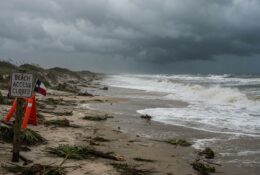
Hurricane season defines much of Gulf Coast life from June through November. Law enforcement officers serve as first responders during these events, often staying on duty while their own families evacuate. They secure critical infrastructure, assist residents who waited too long to leave, and face dangerous conditions to maintain order.
The institutional memory that veteran officers carry proves essential during these emergencies. They remember which areas flood first, which routes remain passable longest, and which residents are likely to refuse evacuation. This knowledge saves lives and improves response efficiency when minutes matter.
Post-storm recovery also demands sustained law enforcement presence. Officers prevent looting, manage access to damaged areas, assist with welfare checks, and help coordinate the massive logistics of community recovery. These extended operations require physical and emotional stamina that comes from deep commitment to the community.
Legacy in Public Service
The announcement of Maffei’s death arrives as coastal communities reflect on the essential services that sustain barrier island life. From daily patrols to emergency response, law enforcement provides continuity that allows these communities to thrive despite their vulnerability to storms and the challenges of geographic isolation.
Tributes from colleagues and community members highlight the personal connections that define small-town policing. Officers who spend careers in single departments become part of the community fabric, attending the same churches, shopping in the same stores, and sending their children to the same schools as the residents they serve.
The Galveston Police Department has not yet announced memorial arrangements or provided details about services honoring Maffei’s career. As the community processes this loss, the focus remains on celebrating decades of dedicated service along the Texas Gulf Coast.