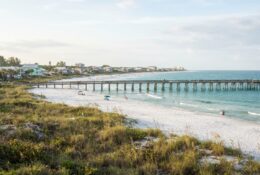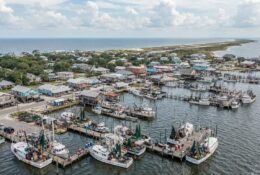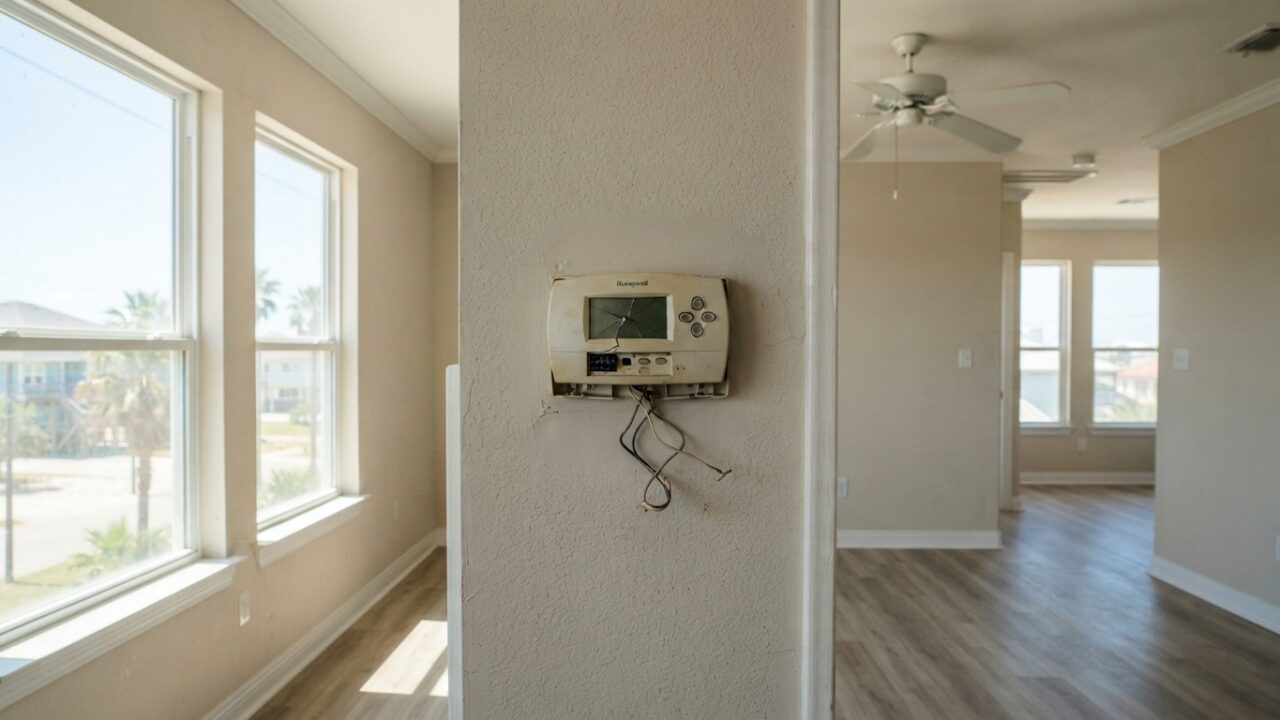
A Galveston resident has spent two consecutive Texas summers living in a rental home without functioning air conditioning, according to local reports. The woman’s ongoing struggle with her landlord to secure basic climate control highlights persistent housing challenges in coastal communities where summer temperatures regularly exceed ninety degrees and humidity makes indoor conditions potentially dangerous.
The tenant, whose rental property sits in Galveston’s residential neighborhoods just blocks from the beach, says repeated requests to her landlord for AC repairs have gone unanswered or unresolved for more than two years. During peak summer months along the Texas Gulf Coast, when heat indices can climb above one hundred degrees, the lack of working air conditioning transforms living spaces into potentially hazardous environments.
Coastal Climate Makes AC Essential
Anyone who spends time along the Texas barrier islands understands that air conditioning is not a luxury but a necessity. Unlike the arid regions of West Texas where low humidity allows for effective evaporative cooling, the Gulf Coast’s moisture-saturated air makes heat particularly oppressive. Even with open windows and fans, indoor temperatures in un-cooled homes can match or exceed outdoor readings.
Galveston’s maritime climate compounds the discomfort. Salt air accelerates corrosion of HVAC systems, making regular maintenance crucial. Units that might last fifteen years inland often fail after eight to ten years in coastal environments. The constant exposure to humidity, salt spray, and storm conditions creates unique maintenance challenges that landlords and property managers must address proactively.
For residents who work outdoors along the coast, whether fishing, serving tourists, or maintaining boats and properties, returning to a home without air conditioning eliminates any opportunity for recovery from heat exposure. The cumulative effect of twenty-four-hour heat stress poses documented health risks, particularly for older adults and those with cardiovascular conditions.
Texas Tenant Rights and Habitability Standards
Texas law establishes specific requirements for rental property habitability, though the state’s landlord-tenant statutes are generally considered more favorable to property owners than those in many other states. Under Texas Property Code Section 92.052, landlords must make reasonable repairs within seven days of receiving written notice from tenants, or within a shorter time if conditions materially affect health or safety.
Air conditioning occupies a gray area in Texas habitability law. If a rental unit included working AC when the tenant moved in, landlords generally must maintain it. However, Texas does not mandate air conditioning as an absolute requirement for habitability the way it does running water, functioning plumbing, or weather-resistant roofing.
Tenants who face unresponsive landlords have several legal options. After providing proper written notice and waiting a reasonable time, renters can terminate the lease, repair the problem and deduct costs from rent, or withhold rent and use it to remedy the issue. Each approach carries specific procedural requirements and potential risks if not executed correctly.
The City of Galveston maintains code enforcement procedures for rental properties, requiring periodic inspections and compliance with minimum standards. Persistent habitability violations can result in citations, fines, and potential restrictions on a landlord’s ability to collect rent until repairs are completed.
Housing Challenges on the Island
Galveston’s rental market has tightened considerably in recent years as property values have climbed and more units have shifted to short-term vacation rentals. Long-term residents often find themselves competing for a shrinking pool of year-round rental housing, sometimes accepting less-than-ideal conditions because alternatives are scarce or unaffordable.
The conversion of traditional rental properties to vacation rentals has changed the economic calculations for property owners. A house that might generate fifteen hundred dollars monthly as a long-term rental can produce triple that amount during peak summer weekends as a vacation property. This shift creates pressure on the year-round housing stock and can leave long-term tenants with landlords who view maintaining their properties as secondary to short-term profit.
Coastal insurance costs add another layer of complexity. Property insurance along the Texas coast has increased dramatically following recent hurricane seasons, with some insurers exiting the market entirely. Landlords facing higher insurance premiums, increased property taxes from rising valuations, and expensive storm repairs may defer maintenance on items they consider non-essential, even when tenants suffer significant impacts.
Summer Heat and Health Risks
Medical professionals consistently warn about the dangers of prolonged heat exposure, particularly for vulnerable populations. Indoor temperatures above eighty-five degrees can lead to heat exhaustion, dehydration, and sleep disruption. Extended exposure increases risks of heat stroke, cardiovascular stress, and exacerbation of existing health conditions.
For workers in coastal industries, many of whom already face significant sun and heat exposure during daytime hours, the inability to cool down at night creates cumulative stress. Charter boat captains, dock workers, beach service employees, and construction workers all deal with intense heat as part of their daily routines. Access to climate-controlled living space becomes crucial for recovery and long-term health.
Elderly residents face particular vulnerability. Age-related changes in thermoregulation mean older adults often do not recognize dangerous heat exposure until symptoms become severe. Medications for heart conditions, blood pressure, and other common age-related health issues can further impair the body’s ability to manage heat stress.
Options for Affected Tenants
Renters facing similar situations have several resources available. Legal aid organizations in Galveston County provide free assistance to qualifying low-income tenants dealing with landlord disputes. These services can help tenants understand their rights, draft proper legal notices, and navigate the remedies available under Texas law.
Documenting all communications with landlords becomes essential if disputes escalate. Written requests for repairs, photographs of conditions, temperature readings, and records of any health impacts create the evidence necessary if legal action becomes unavoidable. Texas courts require tenants to demonstrate they followed proper procedures before exercising remedies like rent withholding or repair-and-deduct.
Local mediation services sometimes offer paths to resolution without formal legal proceedings. Community dispute resolution centers can facilitate conversations between landlords and tenants, helping both parties find solutions that avoid the expense and adversarial nature of court battles.
For those who choose to pursue repairs independently and deduct costs from rent, Texas law requires specific steps. Tenants must provide written notice specifying the problem, allow reasonable time for the landlord to respond, obtain repair estimates, give the landlord a final opportunity to address the issue, and follow precise procedures for deducting repair costs from subsequent rent payments.
What Remains Unclear
The specific details of the Galveston woman’s situation remain limited in available reports. Whether she has pursued legal remedies, what response her landlord has provided, if code enforcement has become involved, and what factors have prevented resolution for two years all remain questions without public answers.
The outcome of her case may influence how other coastal tenants approach similar disputes. If code enforcement or legal action results in required repairs and penalties for the landlord, it could establish precedents that strengthen tenant protections. Conversely, if no resolution emerges, it may reinforce the challenges renters face in markets where housing options are limited.
As Gulf Coast communities continue growing and evolving, the balance between property rights and tenant protections will likely face ongoing scrutiny. How coastal cities address habitability standards, particularly for elements like air conditioning that become health necessities in extreme climates, may shape housing policy and enforcement practices for years ahead.