A persistent red tide outbreak along the Texas coast is creating significant disruptions to the local seafood supply, with commercial harvesters and restaurant operators reporting reduced catches and availability of popular Gulf species. The harmful algal bloom, caused by the organism Karenia brevis, has been detected in waters from Port Aransas northward through the Galveston area in recent weeks.
State health officials have confirmed elevated concentrations of brevetoxins in water samples collected from multiple coastal locations. These naturally occurring toxins accumulate in shellfish and finfish, making them unsafe for human consumption even when the seafood appears normal in smell and appearance.
Impact on Commercial Operations
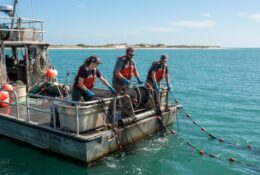
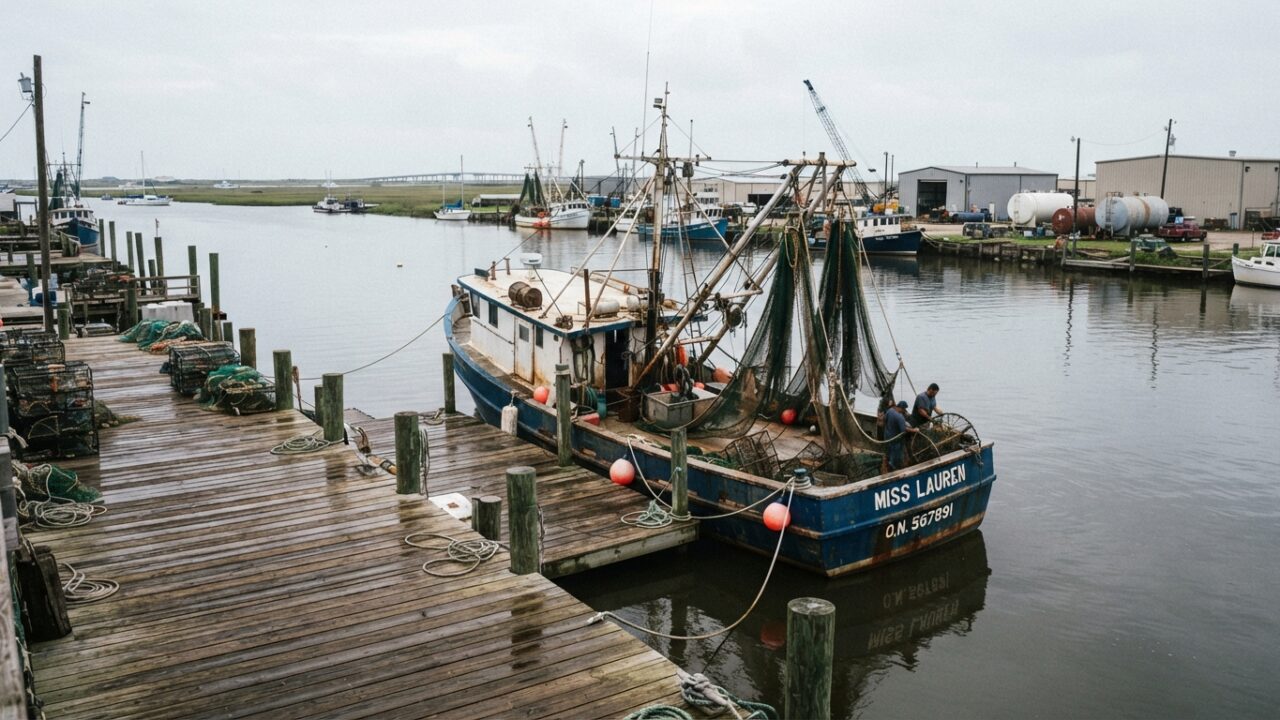
Local seafood markets and fishing operations are facing immediate consequences. Commercial shrimpers report reduced harvest volumes as boats avoid contaminated waters, while oyster beds in several bays remain closed under state health department orders. The timing compounds challenges for an industry still recovering from previous environmental disruptions.
Texas Parks and Wildlife Department has issued warnings about consuming fish caught in affected areas, particularly species that filter large volumes of water or feed near the bottom. Oysters, clams, and certain finfish species concentrate the toxins more readily than others, creating variable risk levels across different seafood types.
Restaurants specializing in Gulf seafood have adjusted menus and sourcing strategies. Some establishments are importing product from Louisiana or Florida waters confirmed clear of the bloom, while others have temporarily reduced seafood offerings until local supplies can be verified safe. The shift affects pricing and availability throughout the supply chain.
Understanding the Current Bloom
Red tide occurs when Karenia brevis populations multiply rapidly under favorable environmental conditions. Warm water temperatures, nutrient availability, and calm seas can all contribute to bloom formation and persistence. The current outbreak follows patterns observed in previous years, though intensity and duration vary unpredictably.
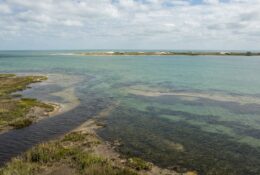
Unlike some algal blooms that appear visibly red or brown, Karenia brevis concentrations do not always discolor water noticeably. Low to moderate cell counts can produce toxins at harmful levels without obvious visual indicators, making water sampling and laboratory analysis essential for public health protection.
The organism produces brevetoxins that affect the nervous systems of fish and marine mammals. Dead fish washing ashore serve as one indicator of bloom presence, though not all affected areas show visible fish kills. Respiratory irritation in beachgoers provides another warning sign when onshore winds carry aerosolized toxins.
Monitoring and Testing Protocols
State agencies conduct regular water sampling along the coast to track bloom extent and intensity. The Texas Parks and Wildlife Department coordinates with the Texas Department of State Health Services to issue closures and consumption advisories based on laboratory results showing toxin concentrations above safe thresholds.
Testing focuses on popular fishing areas and commercial harvest zones. Results typically require several days for laboratory confirmation, creating delays between sample collection and public notification. This lag time means conditions can change before updated advisories reach fishermen and consumers.
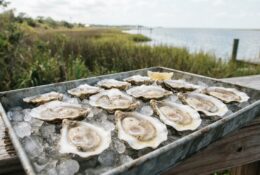
Shellfish harvesting areas operate under the most stringent monitoring due to the efficiency with which filter-feeding mollusks concentrate toxins. A single oyster can filter dozens of gallons of water daily, accumulating brevetoxins to levels dangerous for human consumption even when water cell counts appear moderate.
Health Considerations for Consumers
Brevetoxin poisoning, known as neurotoxic shellfish poisoning, produces symptoms including nausea, diarrhea, and neurological effects such as tingling sensations and difficulty breathing. Severe cases can require hospitalization, though fatalities remain rare with proper medical treatment.
Cooking does not eliminate brevetoxins, as these compounds remain stable at high temperatures. Standard food preparation methods that destroy bacteria and other pathogens prove ineffective against the chemical toxins produced by red tide organisms. The only safe approach involves avoiding contaminated seafood entirely.
Recreational fishermen face particular risk when consuming their catch from affected waters. Without access to laboratory testing, anglers cannot determine whether fish contain dangerous toxin levels. State advisories recommend avoiding consumption of fish caught in areas with confirmed red tide presence, particularly larger predatory species that may accumulate higher concentrations.
Economic Ripple Effects
The disruption extends beyond immediate harvest losses. Processing facilities reduce operations when raw material supplies decline, affecting employment and cash flow throughout the seafood industry. Dock workers, truck drivers, and wholesale distributors all experience reduced activity during bloom events.
Charter fishing operations report cancellations from clients concerned about water quality and fish safety. While catch-and-release fishing for sport continues, many anglers prefer to postpone trips until conditions improve and keeping fish becomes advisable again.
The cumulative effect on coastal economies proves difficult to quantify but impacts communities dependent on fishing-related income. Small businesses operating on narrow margins find extended closures particularly challenging, with limited ability to absorb revenue losses from environmental disruptions beyond their control.
What Remains Uncertain
Predicting red tide duration and movement continues to challenge scientists. Ocean currents, wind patterns, and water temperature shifts all influence bloom behavior. Some outbreaks dissipate within weeks, while others persist for months with varying intensity.
Recent water samples show bloom concentrations fluctuating across different coastal sections. Areas that test clear one week may show elevated levels days later as currents shift bloom position. This unpredictability complicates planning for commercial operators and regulatory agencies alike.
State officials emphasize continued monitoring and urge consumers to check current advisories before consuming locally harvested seafood. Updated information on beach conditions, water quality, and harvest closures remains available through Texas Parks and Wildlife Department channels and local health departments as the situation develops.