A marsh fire burning across portions of Chambers, Galveston, and Hardin Counties has sent plumes of smoke across the upper Texas coast, creating hazy conditions and raising concerns about air quality for residents and outdoor enthusiasts. Officials are monitoring the blaze, which ignited in the wetland areas that characterize much of the region’s coastal geography.
The fire highlights the vulnerability of Texas coastal marshes during dry periods, even in areas known for high humidity and proximity to Gulf waters. These ecosystems, which provide critical habitat for fish, waterfowl, and other wildlife, can become tinderboxes when water levels drop and vegetation dries out.
Fire Location and Conditions
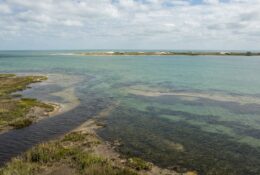
The marsh fire is burning in wetland areas that span the borders of three counties along the upper Texas coast. These coastal marshes, dominated by cordgrass and other salt-tolerant vegetation, stretch inland from the Gulf of Mexico and represent some of the most ecologically productive habitat on the Texas coast.
Smoke from the fire has drifted over populated areas, creating visibility issues and affecting air quality. Residents in portions of all three counties have reported the distinctive smell of burning marsh grass and hazy skies that reduce visibility.
Officials have not released information about the fire’s origin or whether it was human-caused or ignited naturally. Marsh fires in this region can start from lightning strikes, discarded cigarettes, or other sources of ignition when conditions are dry enough to support combustion.
Impact on Coastal Ecosystems
The marshes affected by this fire provide essential habitat for species that anglers, birders, and nature enthusiasts regularly seek along the Texas coast. These wetlands serve as nursery grounds for shrimp, blue crabs, and numerous fish species including redfish and speckled trout. They also offer critical stopover habitat for migratory birds traveling the Central Flyway.
While fire is a natural part of many ecosystems, marsh fires can temporarily displace wildlife and alter habitat structure. The severity of ecological impact depends on factors including the fire’s intensity, the time of year, and how much of the marsh burns.
Spring fires can be particularly disruptive if they occur during nesting season for marsh birds or when juvenile fish are using shallow marsh areas. However, marshes typically recover relatively quickly, with new growth emerging once conditions allow.
Recovery and Regeneration
Coastal marshes have evolved with periodic disturbance, including fire. In some cases, burning can stimulate new growth and maintain habitat diversity. However, fires burning into organic soils or peat layers can be more damaging and slower to recover.
The extent to which this fire has burned into deeper soil layers versus consuming only surface vegetation will determine recovery timelines. Marshes that experience surface fires often show green regrowth within weeks, while areas with deeper burns may take months or longer to fully recover.
Air Quality Considerations
Smoke from marsh fires carries a distinct odor and can affect air quality over wide areas, depending on wind direction and atmospheric conditions. Marsh smoke contains particulate matter and other compounds that can irritate respiratory systems, particularly for people with asthma or other breathing conditions.
Outdoor enthusiasts planning fishing trips, kayaking excursions, or birding outings in affected areas should monitor air quality conditions and consider postponing activities if smoke concentrations are high. Visibility issues can also affect boating safety in coastal waters and bays.
The duration of smoke impacts depends on how long the fire continues to burn and weather patterns that either disperse or concentrate smoke in particular areas.
Marsh Fire Patterns on the Texas Coast
Marsh fires occur periodically along the Texas coast, with frequency and severity influenced by rainfall patterns, water levels, and seasonal conditions. Extended dry periods, particularly when combined with low tides that expose more marsh surface, create conditions conducive to fire spread.
The upper Texas coast, which includes the area affected by this fire, features extensive marsh systems along the Trinity River delta, East Bay, and surrounding wetland complexes. These areas provide some of the most productive fishing and wildlife habitat on the Gulf Coast.
Recent weather patterns, including periods of below-average rainfall in some coastal areas, may have contributed to drier marsh conditions. Water levels in coastal bays and marshes fluctuate with tides, rainfall, and freshwater inflow from rivers, all of which affect fire risk.
Historical Context
Significant marsh fires have affected the upper Texas coast in previous years, some burning thousands of acres before being contained or extinguished by rain. These events remind coastal residents and visitors that fire is a recurring element in these ecosystems, despite their association with water and wetlands.
The challenge with marsh fires is that they often burn in areas with limited access, making firefighting difficult. Heavy equipment cannot easily reach burning areas, and the soggy, unstable ground prevents conventional firefighting approaches used in upland areas.
What Remains Unknown
Officials have not released information about the fire’s size, how long it has been burning, or what containment efforts, if any, are underway. Whether the fire will burn itself out naturally, be extinguished by rain, or require intervention remains to be seen.
The full extent of habitat affected and how the fire might impact fishing and wildlife watching opportunities in the area will become clearer as the situation develops. Anglers who regularly fish the marshes and shorelines in Chambers, Galveston, and Hardin Counties should stay informed about conditions before planning trips.
For now, the smoke serves as a visible reminder of the dynamic nature of coastal ecosystems and the need to respect the power of fire, even in wetland environments often perceived as too wet to burn.