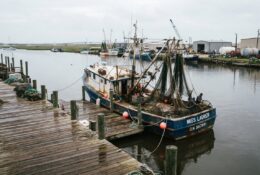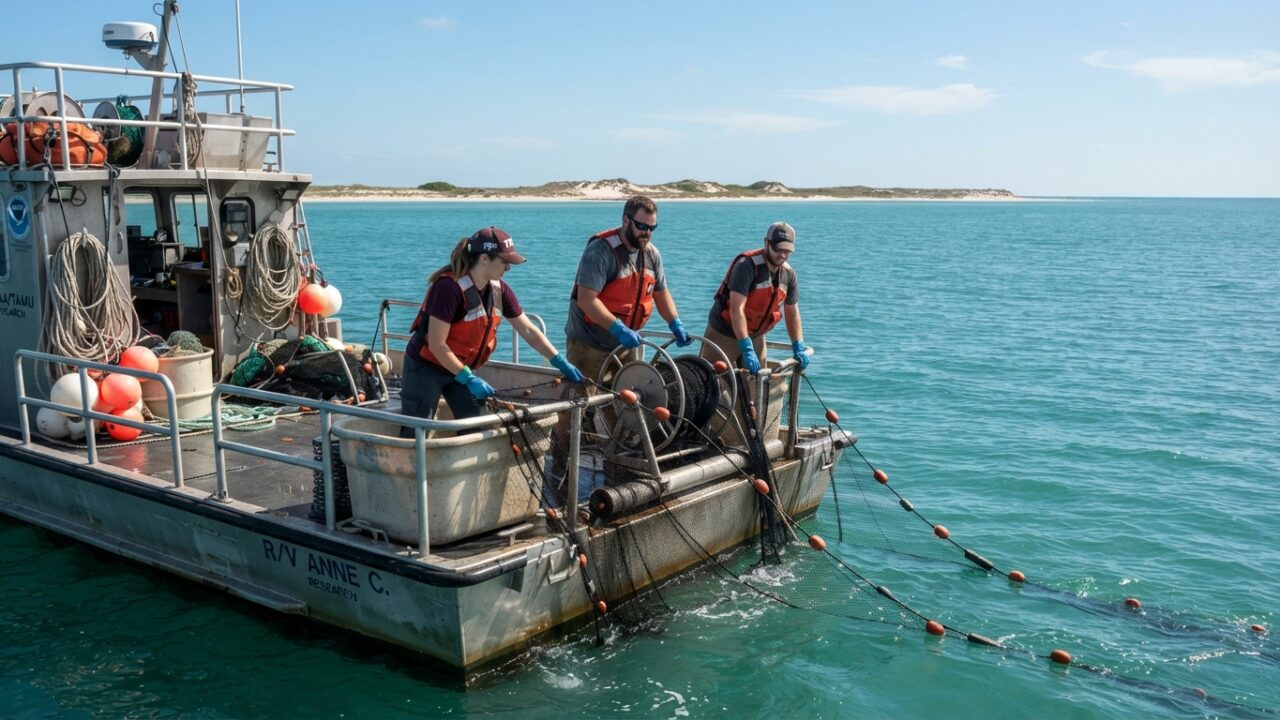
Texas Parks and Wildlife Department crews have completed intensive training exercises focused on dolphin rescue operations ahead of resuming gillnet sampling surveys in Gulf waters near Port Aransas and surrounding barrier islands. The specialized drills prepare field biologists to respond quickly if dolphins become entangled in research nets during routine marine life surveys scheduled to restart in coming weeks.
The training program addresses a persistent challenge in coastal fisheries research: how to gather essential data about fish populations while minimizing risks to marine mammals that inhabit the same waters. Gillnets, which are vertical mesh panels suspended in the water column, effectively capture fish for population studies but can occasionally entrap dolphins and other air-breathing species.
Why Gillnet Surveys Matter for Coastal Waters
Gillnet sampling has been a cornerstone of fisheries management along the Texas coast for decades. These surveys provide critical data on the abundance, size distribution, and health of commercially and recreationally important fish species including red drum, spotted seatrout, and various shark species. Biologists use this information to set fishing regulations, establish size limits, and monitor the overall health of Gulf ecosystems.
The Texas Parks and Wildlife Department conducts these surveys at multiple locations along the coast, including waters off Port Aransas, Mustang Island, and San José Island. The barrier island chain creates unique habitat conditions that support diverse fish populations, making regular monitoring essential for understanding how these communities change over time and respond to environmental pressures.
Data collected through gillnet surveys directly influences decisions that affect thousands of recreational anglers and commercial fishing operations throughout the Coastal Bend region. Without this ongoing monitoring, resource managers would lack the baseline information needed to detect population declines, track recovery after major storms, or identify emerging threats to marine life.
Dolphin Populations and Research Net Risks
Bottlenose dolphins are year-round residents of Texas coastal waters, with distinct populations inhabiting bays, nearshore Gulf waters, and deeper offshore areas. These intelligent marine mammals often forage in the same productive waters where fisheries surveys take place, creating unavoidable overlap between research activities and dolphin habitat.
While entanglement incidents remain relatively rare during properly conducted surveys, the consequences can be severe. Dolphins must surface regularly to breathe, and an animal caught in a gillnet can drown within minutes if not freed quickly. The Marine Mammal Protection Act requires all research activities that might affect dolphins or other protected species to include comprehensive safety protocols and trained response capabilities.
Texas coastal waters support an estimated several thousand bottlenose dolphins distributed across multiple distinct populations. Scientists have documented that some dolphin groups show site fidelity to specific areas, including the channels and nearshore zones around Port Aransas where gillnet surveys occur. Understanding dolphin behavior patterns helps researchers schedule surveys to minimize encounter risks while still collecting necessary data.
What the Training Program Involves
The rescue training drills conducted by Texas Parks and Wildlife crews cover multiple scenarios that field biologists might encounter during survey operations. Participants practice techniques for approaching entangled animals safely, assessing their condition, and executing release procedures that minimize stress and injury to both the dolphin and rescue team members.
Training protocols likely include recognizing signs of distress in entangled animals, proper handling techniques that avoid causing additional harm, and documentation procedures required under federal permits. Crews also review communication protocols for notifying marine mammal stranding networks and veterinary specialists if an injured animal requires additional care after release.
Beyond immediate rescue procedures, the training emphasizes prevention strategies. Survey crews learn to monitor for dolphin activity before deploying nets, adjust net placement to avoid areas where dolphins are actively feeding, and maintain constant vigilance during the time nets remain in the water. Quick net retrieval at the first sign of marine mammal presence represents the most effective prevention measure.
Balancing Research Needs with Wildlife Protection
The decision to resume gillnet sampling following dedicated rescue training reflects the ongoing challenge of conducting necessary scientific research while protecting marine wildlife. Federal agencies require research permits to demonstrate that proposed activities will have negligible impacts on protected species, which necessitates both prevention planning and emergency response capabilities.
Alternative survey methods exist, including acoustic monitoring, video surveys, and hook-and-line sampling, but each technique has limitations. Gillnets remain one of the most effective tools for capturing a representative sample of fish species across different sizes and behaviors. Some species that avoid baited hooks or detection by cameras can only be accurately assessed through net surveys.
The Texas coast presents unique management challenges due to its position at the intersection of temperate and subtropical marine environments. Species distributions shift seasonally, hurricane impacts can dramatically alter habitat structure, and human pressures from coastal development continue increasing. Maintaining robust monitoring programs provides the information base needed to navigate these complex dynamics.
Implications for Coastal Resource Management
As gillnet surveys prepare to restart, the data they generate will inform fishing regulations that affect thousands of coastal residents and visitors who depend on healthy marine resources. The Port Aransas area alone supports a substantial recreational fishing industry, with charter boats, tackle shops, and fish cleaning facilities all relying on sustainable fish populations.
Commercial fishing operations throughout the Coastal Bend also depend on science-based management informed by survey data. Shrimp trawlers, crab fishermen, and other commercial harvesters need accurate population assessments to ensure their activities remain sustainable over the long term. The economic stakes of getting these management decisions right extend throughout coastal communities.
The timing of survey resumption may align with seasonal patterns in both fish and dolphin populations. Spring and fall typically see increased fish movement as species migrate or shift between bay and Gulf habitats. Survey scheduling attempts to capture these patterns while considering when dolphin activity might be lower in specific areas.
Questions remain about how changing environmental conditions along the Texas coast might affect both the species being surveyed and the dolphins that share these waters. Warming Gulf temperatures, altered freshwater inflow patterns, and habitat changes all influence marine community structure in ways that ongoing monitoring efforts aim to track and understand.