
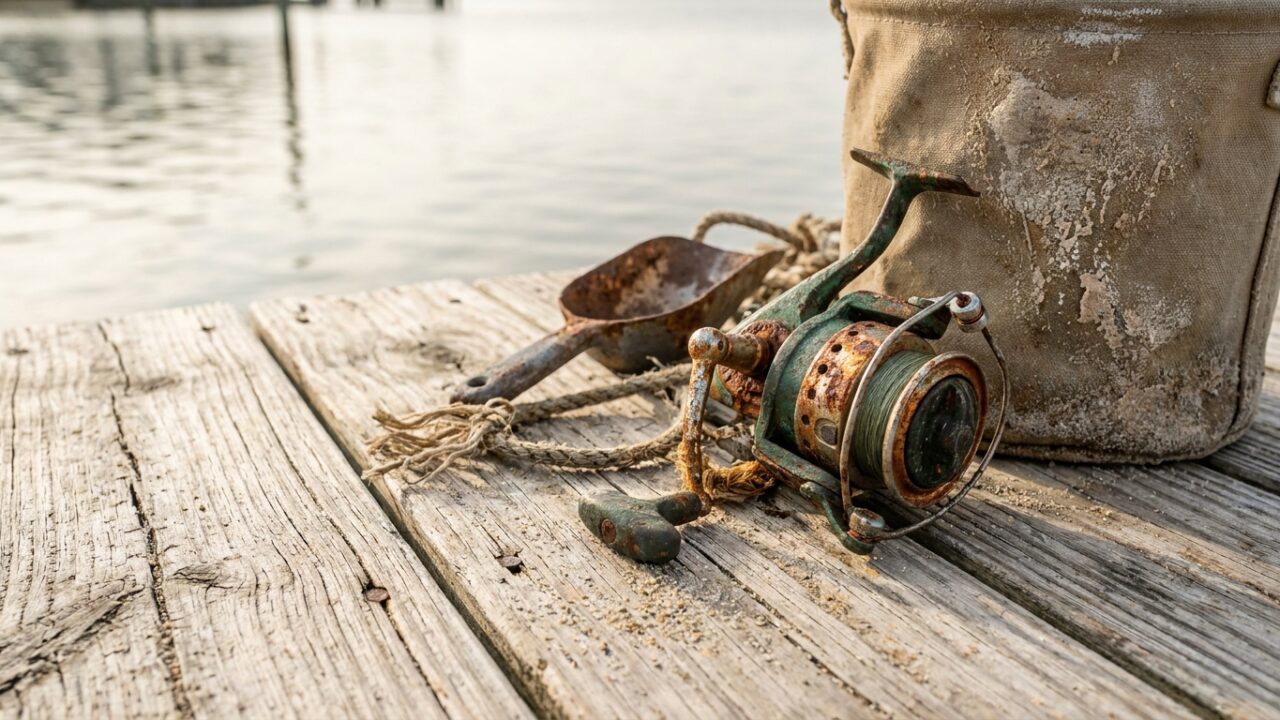
The Gulf Coast environment destroys gear faster than most newcomers expect. Salt mist carries three miles inland on a strong southeast wind. Sand works into zippers and hinges like an industrial abrasive. Humidity stays above seventy percent through summer nights, and everything metal that can corrode will corrode unless you intervene.
We tracked two dozen pieces of equipment through a full coastal season to document what actually holds up. Some items surprised us by lasting. Others fell apart within weeks despite premium price tags and marketing claims about marine-grade construction.
Coolers: Construction Matters More Than Brand
Rotomolded coolers with one-piece bodies handle salt exposure better than welded or glued models. The Yeti Tundra and RTIC equivalents both survived six months of truck bed duty without cracking or developing leak points. Less expensive Coleman Xtreme models with separate lid assemblies started showing separation at gasket points after eight weeks of regular beach use.
The failure point on budget coolers comes from dissimilar materials expanding at different rates in heat. A rubber gasket glued to plastic housing will eventually separate when temperatures swing from air-conditioned truck cab to hundred-degree sand and back daily.
Drain plugs corroded on every cooler we tested except models with all-plastic drain assemblies. Metal-threaded plugs showed rust within three weeks. Stainless steel lasted longer but still pitted by season end. The lesson: rinse drain plugs with fresh water after every beach trip or replace them with plastic aftermarket versions.
Fishing Reels Take the Hardest Beating
Sealed drag systems and waterproof bodies mean nothing if you never rinse a reel after use. We destroyed a four-hundred-dollar Shimano Stradic by leaving it unwashed for five days after a surf session. The drag washers bonded together. The bail spring corroded through.
Penn Battle reels with their open architecture actually fared better in our tests because they forced us to maintain them. When you can see sand and salt accumulating, you remember to spray them down. Sealed reels created false confidence that led to neglect.
The reels that survived full seasons belonged to anglers who rinsed with fresh water immediately after every trip and applied reel oil weekly. Brand mattered less than maintenance schedule. A fifty-dollar Shakespeare that gets rinsed will outlast a premium Daiwa that sits dirty in a garage.
Beach Chairs: Aluminum Frames Lose Every Time
Standard aluminum beach chairs with fabric seats lasted an average of eleven weeks before frame joints corroded and fabric tore at stress points. The corrosion happens inside the frame tubes where you cannot see it until a leg collapses under weight.
Powder-coated aluminum performs slightly better than bare aluminum but still corrodes at connection points where the coating wears through. Anodized aluminum shows better resistance but adds cost that pushes chairs into premium price ranges.
The longest-lasting portable chairs we tested used stainless steel frames or heavy-duty plastic. The Crazy Creek hex-frame chairs with plastic bodies and nylon fabric showed almost no degradation after six months. Tommy Bahama backpack chairs with aluminum frames needed replacement before summer ended.
Folding mechanisms proved more vulnerable than frames. Any chair with spring-loaded locking pins developed sticky action within a month as sand infiltrated the springs. Chairs with simple gravity-based locks or strap closures avoided this problem entirely.
Electronics and Optics Need Active Protection
Waterproof ratings mean splash protection, not immunity to salt air. We had three supposedly waterproof action cameras develop internal condensation that fogged lenses permanently. The moisture entered not through failed seals but through temperature differentials that created negative pressure and sucked humid air past gaskets.
Binoculars showed similar issues. Nitrogen-purged models resisted internal fogging better than standard waterproof versions, but external lens coatings still degraded from salt spray. The solution involved storing optics with desiccant packs and wiping lenses with fresh water and microfiber cloths after every exposure.
Fish finders and GPS units mounted on kayaks needed regular seal inspection. The rubber gaskets around screen edges and cable ports dried out faster in Gulf humidity than in freshwater environments. Applying silicone grease to gaskets every two months extended unit life significantly.
Smartphones in supposedly waterproof cases still suffered. The cases protected against immersion but trapped moisture against phone bodies in humid conditions. We found better results keeping phones in simple ziplock bags with desiccant packs than in expensive waterproof cases that sealed in humidity.
What Actually Earned Its Keep
Stainless steel rod holders mounted on trucks and boats showed minimal corrosion with no maintenance. The 316-grade stainless used in marine applications lives up to claims when manufacturers actually use it rather than cheaper 304 alloys.
Plastic tackle boxes outlasted metal equivalents by wide margins. The Plano Guide series boxes spent six months bouncing in truck beds and boat decks without cracking. Latches stayed functional. The few metal components like hinge pins showed surface rust but remained operational.
Neoprene gear survived remarkably well. Koozies, wader boots, and wetsuit material showed almost no degradation from salt or sun exposure. The closed-cell foam structure seems immune to the conditions that destroy other materials.
Cast nets with monofilament mesh held up better than cotton or nylon versions. The monofilament resisted rot and dried quickly enough to prevent mildew. Nets stored wet in mesh bags developed problems. Nets rinsed and dried on spreaders after each use lasted multiple seasons.
Maintenance Schedules That Actually Work
Daily rinsing matters more than premium materials for most gear. A quick spray with a garden hose removes ninety percent of the salt that causes corrosion. Waiting until the weekend means salt has already started working.
Monthly deep cleaning extends life dramatically. Disassemble what you can disassemble. Soak metal parts in vinegar solution to neutralize salt. Apply fresh lubricant to moving parts. Inspect seals and gaskets for cracks or hardening.
Off-season storage requires removing gear from coastal humidity entirely. Equipment stored in air-conditioned spaces lasts twice as long as gear kept in coastal garages or sheds. If climate-controlled storage is not available, desiccant packs in sealed containers provide meaningful protection.
The Gulf environment will eventually claim every piece of equipment, but understanding what fails first and why helps extend the working life of gear that costs too much to replace every season. The best defense combines choosing materials that resist corrosion with establishing maintenance routines that actually happen rather than just getting planned.
