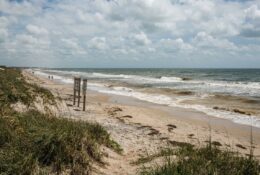
Condé Nast Traveler released its ranking of Florida’s 25 best beaches this week, from South Beach’s urban energy to Amelia Island’s quiet dunes. The list reinforces Florida’s position as a beach destination powerhouse, but it also raises questions for those of us who spend time on Texas barrier islands about what defines a great coastal experience and how our Gulf shores stack up.
The ranking emphasizes factors familiar to any coastal visitor: sand quality, water clarity, accessibility, and the balance between development and natural preservation. Florida’s beaches benefit from geographic advantages, including both Atlantic and Gulf coastlines, extensive coral reef systems offshore, and decades of infrastructure investment aimed at tourism.
Geographic Differences Shape Beach Character
Texas barrier islands operate under different coastal dynamics than Florida’s celebrated shores. Our beaches face the Gulf of Mexico exclusively, with wave patterns, tidal ranges, and sediment composition that create a distinct coastal environment. Port Aransas and neighboring islands feature wider tidal flats, more dynamic sand movement, and different marine ecosystems than most Florida beaches.
Water clarity represents one notable distinction. Florida’s Atlantic beaches, particularly those ranking high on travel lists, benefit from clearer offshore waters influenced by the Gulf Stream and coral reef structures. Texas Gulf waters carry more sediment from the Mississippi River system and local watersheds, creating the characteristic green-brown tones familiar to anyone who walks our shores.
This difference matters less than visitors might assume. The sediment-rich waters support different but equally vibrant marine life. Our surf zones host abundant baitfish, which attract gamefish, dolphins, and seasonal visitors including whale sharks and manta rays. The beach experience centers not on Caribbean-style clarity but on productive coastal ecosystems.
Development Philosophies Create Varied Experiences
Many top-ranked Florida beaches feature significant development, from South Beach’s art deco hotels to resort complexes on Marco Island and Naples. These destinations offer extensive amenities, groomed sand, lifeguard coverage, and infrastructure designed for high-volume tourism.
Texas barrier islands have pursued different development models. Port Aransas maintains a fishing village character despite tourism growth. Mustang Island State Park preserves miles of undeveloped shoreline. Even in developed areas, building heights remain modest and the emphasis stays on beach access rather than resort concentration.
This approach creates trade-offs. Visitors find fewer umbrella rentals, beach bars, and groomed swimming areas. What they gain is space, relatively uncrowded conditions outside peak weekends, and beaches that function as working ecosystems rather than outdoor recreation facilities.
Sand Characteristics and What They Mean for Beach Users
Florida’s gulf beaches, particularly along the Panhandle, feature fine quartz sand that remains cool underfoot and produces the signature squeak when walked upon. These beaches photograph beautifully and feel pleasant for sunbathing and barefoot walking.
Texas barrier island sand tends toward coarser composition with higher shell content. The sand heats up more in summer sun and feels different underfoot. For practical beach use, this matters primarily for those planning extended barefoot time during midday heat. Morning and evening beach walks encounter no such issues.
The shell content provides benefits that fine sand beaches cannot match. Shelling remains productive year-round on Texas shores. After storms or during particular tidal conditions, beaches reveal lightning whelks, sand dollars, shark teeth, and occasional rare finds that attract dedicated collectors.
Wildlife Encounters and Coastal Ecosystems
Beach rankings often emphasize aesthetics over ecological function, but wildlife encounters define many memorable coastal visits. Texas barrier islands support Kemp’s ridley sea turtle nesting, the most endangered sea turtle species. Shorebird migration brings thousands of birds through Port Aransas twice annually. Ghost crab populations thrive in less-developed areas.
The dune systems backing our beaches, when preserved, support complex plant communities adapted to salt spray and shifting sand. Morning glory, sea oats, and railroad vine stabilize dunes while providing habitat. These ecosystems function differently than Florida’s coastal scrub but offer equally valuable natural experiences for visitors who look beyond the waterline.
Dolphin sightings occur regularly from Texas beaches, particularly during mullet runs and when baitfish concentrate near shore. In spring, tarpon roll in the surf zone. These encounters happen without boat trips or dedicated wildlife tours, simply as part of beach time.
Access and Practical Considerations
Florida’s beach infrastructure includes extensive public access points, parking facilities, and support services developed over decades. Many ranked beaches offer immediate access to restaurants, shops, and accommodations within walking distance.
Texas barrier island access requires more planning in some locations. Beach driving permits allow vehicle access to extensive stretches of sand, a practice that would be restricted or prohibited on many Florida beaches. This creates different use patterns, with fishing, surfing, and extended beach stays more common than concentrated swimming areas.
The permit system, combined with fewer lifeguarded beaches, places more responsibility on visitors. Those accustomed to heavily managed beach environments need to adjust expectations and prepare accordingly. The reward is flexibility to find uncrowded stretches and set up for the day without competing for limited designated areas.
Storm Dynamics and Beach Stability
Hurricane season affects both Texas and Florida coasts, but storm tracks and frequency differ. Florida faces both Atlantic and Gulf hurricane threats. Texas barrier islands primarily contend with Gulf storms, with different typical approach angles and intensities.
Beach erosion and recovery cycles vary accordingly. Texas beaches experience dramatic changes during tropical systems, with sand moving offshore and returning gradually. Dune systems on preserved stretches absorb storm energy and rebuild naturally. Developed areas face ongoing management challenges balancing protection with beach access.
Recent years have seen increased attention to dune restoration and beach nourishment projects along Texas barrier islands. These efforts aim to maintain recreational beaches while preserving storm protection functions. The approach differs from Florida’s more extensive beach management programs but reflects local conditions and priorities.
What Rankings Miss About Coastal Value
Beach rankings inevitably emphasize factors that photograph well and match conventional expectations: white sand, clear water, visible amenities. These criteria favor certain beach types while undervaluing others.
Texas barrier islands offer something beyond checklist features: authentic coastal communities, productive fishing, uncrowded conditions, and beaches that remain working natural systems. Visitors seeking postcard perfection may prefer Florida’s top-ranked destinations. Those wanting space, wildlife, and connection to genuine coastal ecosystems find value on our shores that no ranking captures.
The comparison ultimately serves not to declare winners but to clarify what different coastal regions offer. Florida excels at polished beach tourism. Texas barrier islands provide raw Gulf Coast experiences with their own distinct appeal.